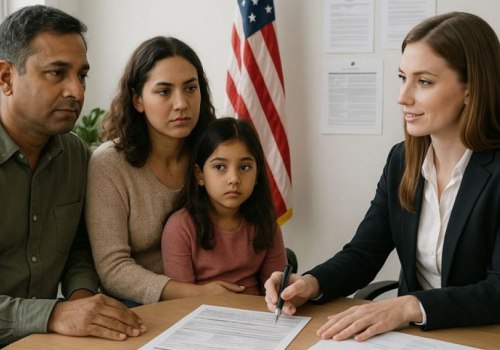
Family relations law encompasses a broad range of legal issues that arise within familial relationships, including marriage, divorce, child custody, and domestic violence. This area of law is crucial as it governs the rights and responsibilities of family members, ensuring that legal frameworks are in place to protect individuals and promote the welfare of families. Understanding the nuances of family relations law is essential for anyone navigating these complex situations, particularly when issues of domestic violence come into play. The significance of family relations law cannot be overstated; it serves as a vital mechanism for resolving disputes and protecting vulnerable individuals within the family unit. For instance, in cases involving domestic violence, the law provides avenues for victims to seek protection orders and secure custody arrangements that prioritize their safety and that of their children.
This intersection between family relations law and domestic violence highlights the importance of legal protections in fostering healthy family dynamics. Moreover, family relations law plays a pivotal role in shaping societal norms around family structures and relationships. By establishing clear legal definitions and frameworks, it not only addresses immediate concerns but also influences long-term outcomes for families affected by violence. As we delve deeper into how domestic violence impacts family relations law cases, it becomes evident that understanding this legal landscape is essential for advocates, legal professionals, and families alike.
The Definition and Scope of Domestic Violence
Domestic violence
is a pervasive issue that affects individuals and families across various demographics. It is defined as a pattern of behavior in any relationship that is used to gain or maintain power and control over an intimate partner.
This can manifest in several forms, including physical, emotional, psychological, sexual, and financial abuse.
Types of Domestic Violence
- Physical Abuse: Involves the use of physical force against a partner, such as hitting, slapping, or any form of violence that causes bodily harm.
- Emotional Abuse: This includes tactics that undermine an individual’s self-worth or emotional well-being, such as constant criticism, manipulation, or intimidation.
- Psychological Abuse: Similar to emotional abuse but often involves more severe tactics like gaslighting or threats that instill fear.
- Sexual Abuse: Any non-consensual sexual act or behavior directed at a partner falls under this category.
- Financial Abuse: This form restricts a partner’s access to financial resources, making them financially dependent on the abuser.
The impact of domestic violence extends beyond the immediate victims; it affects children and other family members, complicating custody arrangements and legal proceedings. Recognizing these dynamics is essential for legal professionals working within this field.
How Domestic Violence Influences Custody Decisions
In family relations law, domestic violence plays a critical role in determining custody arrangements. Courts prioritize the safety and well-being of children, and any evidence or allegations of domestic violence can significantly influence custody decisions.When assessing custody cases, judges consider several factors related to domestic violence:- Evidence of Abuse: Courts will examine any documented incidents of domestic violence, including police reports, medical records, and witness testimonies. A history of abuse can lead to restrictions on custody or visitation rights.
- Impact on the Child: Judges evaluate how domestic violence affects the child’s emotional and psychological well-being.
Exposure to violence can have long-lasting effects on a child's development, which courts take seriously when making custody determinations.
- Parental Fitness: The perpetrator's ability to provide a safe environment for the child is scrutinized. A parent with a history of violence may be deemed unfit for sole or joint custody.
- Protective Orders: If a protective order is in place against one parent, this can heavily influence custody arrangements. Courts often favor the parent who has sought protection for themselves and their children.
This legal framework aims to ensure that children are placed in safe environments free from the threat of violence.Ultimately, the presence of domestic violence in family relations law cases necessitates careful consideration by the courts. The overarching goal is to protect children and ensure that custody arrangements promote their safety and well-being.
The Role of Protective Orders in Family Relations Law
In the context of family relations law, protective orders serve as a critical legal tool designed to safeguard individuals from domestic violence. These orders, often referred to as restraining orders, are issued by a court to prevent an abuser from contacting or coming near the victim. The primary purpose of these orders is to provide immediate safety and legal protection for those affected by domestic violence.Protective orders can vary in scope and duration, but they typically include provisions that:- Prohibit the abuser from making any form of contact with the victim, including phone calls, texts, or in-person encounters.
- Restrict the abuser from entering the victim's home, workplace, or other specified locations.
- Grant temporary custody of children to the victim if children are involved in the situation.
- Require the abuser to surrender any firearms or weapons.
- Filing a Petition: The victim must file a petition with the court detailing the incidents of abuse and requesting a protective order.
- Court Hearing: A hearing is scheduled where both parties can present their case.
In many jurisdictions, a temporary order may be issued immediately to provide immediate protection until the hearing.
- Issuance of Order: If the court finds sufficient evidence of domestic violence, it will issue a protective order that outlines specific restrictions on the abuser.
Impact on Divorce Proceedings and Property Division
Domestic violence significantly complicates divorce proceedings and can have profound implications on property division. When one partner has experienced abuse, the emotional and psychological toll can affect their decision-making and negotiation capabilities during a divorce.This often leads to a need for additional legal protections and considerations.
Legal Implications
- Restraining Orders: In many cases, victims of domestic violence may seek restraining orders, which can influence the divorce process. These orders can affect custody arrangements and visitation rights, as the court prioritizes the safety of the victim and any children involved.
- Fault in Divorce: Some states allow for fault-based divorces, where domestic violence can be cited as a reason for the dissolution of marriage. This can impact the court's decisions regarding alimony and property division.
Financial Implications
- Property Division Laws: States follow either community property or equitable distribution laws. In cases of domestic violence, courts may consider the abusive partner's behavior when dividing assets, potentially awarding a larger share to the victim.
- Hidden Assets: Abusers may attempt to hide assets to avoid equitable distribution.
Victims often need to work with financial experts to uncover these assets, which can prolong the divorce process and increase legal costs.
Emotional and Psychological Effects on Families Involved in Legal Cases
The impact of domestic violence extends far beyond the immediate physical harm; it profoundly affects the emotional and psychological well-being of families involved in family relations law cases.Understanding these effects is crucial for legal professionals who aim to provide comprehensive support to their clients.
Emotional Effects
- Fear and Anxiety: Victims often experience heightened levels of fear and anxiety, which can persist long after the abusive relationship has ended. This emotional turmoil can complicate legal proceedings, as individuals may struggle to make decisions or communicate effectively.
- Shame and Guilt: Many victims feel a sense of shame or guilt about their situation, which can lead to isolation. This emotional burden may prevent them from seeking necessary legal help or support.
- Depression: The psychological toll of domestic violence frequently manifests as depression, affecting not only the victim but also children and other family members. This can hinder their ability to engage in the legal process.
Psychological Impact on Families
- Children's Development: Children exposed to domestic violence may experience developmental delays, behavioral issues, and difficulties in forming healthy relationships.
These factors can influence custody decisions in family relations law cases.
- Coping Mechanisms: Families may adopt unhealthy coping mechanisms, such as substance abuse or withdrawal from social interactions, further complicating their legal situations.
- Long-term Mental Health Issues: The psychological scars left by domestic violence can lead to long-term mental health issues, including PTSD, which may require ongoing treatment and support.
Legal Resources and Support for Victims of Domestic Violence
Navigating the complexities of family relations law can be particularly challenging for victims of domestic violence. Fortunately, there are numerous legal resources and support services available to assist those in need.Legal Resources for Domestic Violence Victims
- Legal Aid Organizations: Many states have legal aid organizations that provide free or low-cost legal assistance to victims of domestic violence.
These organizations can help with obtaining restraining orders, custody arrangements, and divorce proceedings.
- Family Law Attorneys: Hiring a specialized family law attorney who understands the nuances of domestic violence cases can be invaluable. They can guide victims through the legal process and advocate for their rights.
- Court Resources: Many courts offer resources specifically for domestic violence victims, including self-help centers and informational brochures that outline the steps to take when filing for protection or custody.
Support Services for Victims
- Shelters and Safe Houses: Local shelters provide safe havens for victims fleeing abusive situations. Many also offer legal advocacy services to help navigate family relations law.
- Counseling Services: Emotional support is crucial. Counseling services can help victims process their experiences and prepare for the challenges ahead in their legal battles.
- Support Groups: Joining a support group can connect victims with others who have faced similar situations, providing both emotional support and practical advice on dealing with family law issues.
Finding Help with Family Law Cases
If you are a victim of domestic violence, it is essential to seek help as soon as possible.
Start by reaching out to local resources or hotlines that specialize in domestic violence. They can provide immediate assistance and guide you toward the appropriate legal resources tailored to your situation.Remember, you are not alone, and there are dedicated professionals ready to help you navigate the complexities of family relations law.
Frequently Asked Questions About Domestic Violence and Family Relations Law
Understanding the intersection of domestic violence and family relations law is crucial for victims seeking legal recourse. Here are some frequently asked questions that can help clarify this complex issue.What are the legal rights of victims in family law cases?
Victims of domestic violence have specific rights under family relations law. These rights may include:- Protection Orders: Victims can seek restraining orders to prevent further abuse.
- Custody Considerations: Courts often take domestic violence into account when determining custody arrangements.
- Financial Support: Victims may be entitled to spousal support or child support, especially if the abuse has impacted their ability to work.
How does domestic violence impact custody decisions?
When evaluating custody arrangements, courts prioritize the safety and well-being of children.If one parent has a history of abuse, this can significantly influence custody outcomes. Factors considered include:
- The severity and frequency of the abuse.
- The impact of the abuse on the children.
- The willingness of the abusive parent to seek help or change their behavior.
Can I lose custody if I report domestic violence?
No, reporting domestic violence should not negatively affect your custody rights. In fact, taking action to protect yourself and your children is often viewed favorably by the court. It demonstrates a commitment to ensuring a safe environment for your family.What should I do if I am a victim of domestic violence?
If you are experiencing domestic violence, it is essential to seek help immediately.Consider the following steps:
- Contact Authorities: Call 911 or your local police department.
- Seek Legal Advice: Consult with a lawyer who specializes in family relations law.
- Create a Safety Plan: Develop a plan that includes safe places to go and people to contact in an emergency.
Conclusion: The Need for Awareness and Legal Reform
In conclusion, the intersection of domestic violence and family relations law presents a complex landscape that requires urgent attention and reform. Throughout this article, we have explored how domestic violence not only impacts the immediate safety of victims but also profoundly affects the legal proceedings surrounding custody, visitation, and support. The emotional and psychological toll on families can lead to long-lasting repercussions that extend beyond the courtroom.It is crucial to recognize that victims of domestic violence often face significant barriers when navigating the legal system. Many are hesitant to come forward due to fear of retaliation or skepticism about the legal protections available to them.This highlights the need for increased awareness among legal professionals, lawmakers, and the general public regarding the unique challenges faced by these individuals.
- Legal Protections: Current laws may not adequately protect victims or consider the nuances of their situations. Reforms should aim to strengthen protective orders and ensure they are enforced effectively.
- Training for Legal Professionals: Judges, attorneys, and social workers must receive training on the dynamics of domestic violence to make informed decisions that prioritize victim safety.
- Support Services: Expanding access to support services such as counseling and legal aid can empower victims to seek justice without fear.