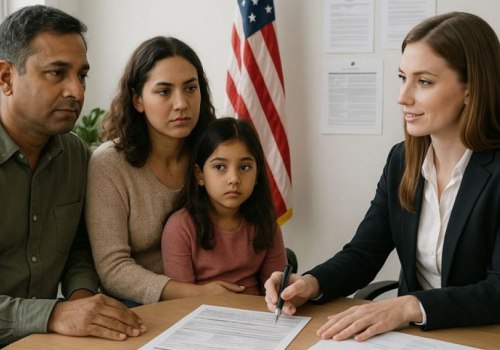
Family relations law encompasses a broad range of legal issues that affect familial relationships, including marriage, divorce, custody, and the name change process for children. Understanding this area of law is crucial for parents considering a name change for their child, as it provides the necessary legal framework and guidelines to navigate the complexities involved. The decision to change a child's name can stem from various reasons, such as adoption, divorce, or personal preference, and it is essential to approach this process with a clear understanding of the legal implications. In the context of family relations law, changing a child's name is not merely a matter of preference; it involves adhering to specific legal procedures that ensure the child's best interests are prioritized. This process typically requires filing a petition with the court, providing valid reasons for the name change, and sometimes even obtaining consent from other parents or guardians.
By familiarizing yourself with these legal requirements, you can better prepare for what lies ahead and ensure that your child's name change is executed smoothly and lawfully. As we delve deeper into the specifics of the child name change process, it is important to recognize that each state may have its own regulations and procedures. Therefore, understanding the nuances of family relations law in your jurisdiction will be vital in successfully navigating this journey. This section serves as a foundation for exploring the detailed steps involved in changing a child's name, ensuring that you are well-equipped to make informed decisions throughout the process.
Reasons for Changing a Child's Name
Changing a child's name can stem from a variety of motivations, each reflecting the unique circumstances of the family involved. Understanding these reasons is crucial for navigating the legal landscape of family relations law.Common Motivations for Name Change
- Parental Divorce or Separation: In cases where parents separate, one parent may wish to change the child's last name to reflect their own surname, fostering a sense of unity and identity.
- Adoption: When a child is adopted, it is common for the adoptive parents to change the child's name to establish a new family bond and identity.
- Restoration of a Maiden Name: A parent may want to change their child's name back to their maiden name after a divorce, especially if the child was previously using the father's surname.
- Cultural or Religious Reasons: Some families may choose to change a child's name to honor cultural traditions or religious practices that emphasize specific naming conventions.
Legal Reasons for Name Change
In addition to personal motivations, there are also legal reasons that may necessitate a name change:- Protection from Abuse: If a child is in a situation involving domestic violence or abuse, changing their name can be a critical step in ensuring their safety and privacy.
- Correcting Errors: Sometimes, names are misspelled or incorrectly recorded on legal documents.
A formal name change can rectify these errors.
- Gender Identity: As children grow and develop their identities, some may wish to change their names to better align with their gender identity, which is increasingly recognized and supported by family relations law.
Legal Requirements for Changing a Child's Name
Changing a child's name under family relations law involves several legal requirements and documentation that must be adhered to in order to ensure a smooth process. Understanding these prerequisites is crucial for parents or guardians considering this change.Legal Requirements for Name Change
- The child must be a minor, typically under the age of 18.
- Both parents or legal guardians must consent to the name change, unless one parent’s rights have been terminated.
- A petition for name change must be filed in the appropriate court, usually in the jurisdiction where the child resides.
Documents Needed for Name Change
- Petition for Name Change: This legal document outlines the request and reasons for the name change.
- Birth Certificate: A certified copy of the child's birth certificate is often required to verify identity and current name.
- Parental Consent Forms: If applicable, forms signed by both parents or guardians consenting to the name change.
- Identification: Valid identification for the parents or guardians, such as a driver’s license or passport.
Eligibility for Name Change
To be eligible for a name change, the request must not be made for fraudulent purposes, such as evading legal obligations or debts. Courts typically assess whether the name change is in the best interest of the child.
Factors considered may include:
- The child's relationship with both parents.
- The potential impact on the child's emotional well-being.
- The length of time the child has been known by their current name.
The Process of Changing a Child's Name
Changing a child's name under family relations law involves a systematic process that ensures the child's best interests are prioritized. Below is a step-by-step guide to navigate this legal procedure.- Determine Eligibility: Before initiating the name change, confirm that you have the legal right to request this change. Typically, parents or legal guardians can file for a name change.
- Gather Required Documents: Collect all necessary documents, which may include:
- The child’s birth certificate
- Proof of residency
- Any existing court orders related to custody or guardianship
- File a Petition: Complete and file a petition for name change with your local court. This document should include:
- The current name of the child
- The desired new name
- The reasons for the name change
- Pay Filing Fees: Be prepared to pay any associated filing fees.
These fees can vary by jurisdiction, so check with your local court for specific amounts.
- Notify Interested Parties: Depending on your state’s laws, you may need to notify other parties, such as the other parent or guardians, about the name change petition.
- Court Hearing: Attend the scheduled court hearing. During this hearing, you will present your case to a judge. Be ready to explain why the name change is in the child’s best interest.
- Receive Court Order: If the judge approves your petition, you will receive a court order granting the name change. Ensure you obtain certified copies of this order for future use.
Always consult with a legal professional if you have questions or need assistance with specific requirements in your state.
Involving the Child in the Name Change Process
Changing a child's name is a significant decision that can impact their identity and sense of belonging. Involving the child in the name change process is crucial, as it helps them feel valued and respected. The approach to this conversation should be tailored to the child's age and maturity level.Age Considerations for Name Change
When discussing a potential name change, it's essential to consider the child's age:- Young Children (Ages 3-7): At this age, children may not fully understand the implications of a name change. Use simple language and focus on how the new name might make them feel.
For example, you could say, "What do you think about having a new name that feels special?"
- Middle Childhood (Ages 8-12): Children in this age group can grasp more complex ideas. Engage them in a discussion about why the name change is being considered. Ask open-ended questions like, "How do you feel about your current name?" or "What do you think about changing it?" This encourages them to express their feelings and opinions.
- Teenagers (Ages 13+): Teenagers are often more aware of their identity and may have strong feelings about their names. It's important to approach this conversation with sensitivity and respect.
Allow them to voice their thoughts and concerns, and be prepared for a range of reactions. You might say, "I want to talk about possibly changing your name. What are your thoughts on that?"
Discussing Name Change with Children
Regardless of age, here are some tips for discussing a name change with your child:- Be Honest: Clearly explain the reasons behind the name change without overwhelming them with details.
- Encourage Questions: Allow your child to ask questions and express their feelings. This dialogue can help alleviate any fears they may have.
- Reassure Them: Emphasize that their identity remains intact regardless of the name they carry.
Reassurance can help ease any anxiety associated with the change.
Potential Challenges and Considerations
Changing a child's name can be a straightforward process, but it is not without its challenges. One of the most significant hurdles often arises from objections by other parents or guardians. In many cases, the other parent may oppose the name change, leading to potential legal disputes that can complicate the situation.Objections from Other Parents
When one parent wishes to change a child's name, the other parent may feel that their rights are being infringed upon.This can lead to objections based on various grounds, including:
- Emotional Attachment: The other parent may have a strong emotional connection to the child's current name.
- Identity Concerns: They might argue that changing the name could affect the child's sense of identity.
- Legal Rights: The opposing parent may assert their legal rights to have a say in such decisions.
Legal Disputes Over Name Changes
If objections arise, it can lead to legal disputes that require mediation or even court intervention. In these cases, the court will consider several factors:- The Best Interest of the Child: Courts prioritize what is best for the child, which may include maintaining continuity in their identity.
- Parental Involvement: The level of involvement each parent has in the child's life can influence the court's decision.
- Reason for Change: The parent requesting the name change must provide valid reasons that justify the alteration.
Post-Name Change Steps
After successfully changing your child's name under family relations law, it is crucial to take several important steps to ensure that the new name is recognized across all legal and institutional platforms. This process not only helps in maintaining consistency but also protects your child's identity.Updating Legal Documents
The first step is to update all relevant legal documents.This includes:
- Birth Certificate: Contact the vital records office in your state to request a new birth certificate reflecting the name change.
- Social Security Card: Visit the Social Security Administration (SSA) to update your child's name on their Social Security card. You will need to provide proof of the name change, such as the court order.
- Passport: If your child has a passport, you must apply for a new one with the updated name. This typically requires submitting the original passport along with the name change documentation.
Notifying Institutions
In addition to updating legal documents, it is essential to notify various institutions about the name change:- Schools: Inform your child's school about the name change so that their records can be updated accordingly.
- Healthcare Providers: Notify doctors, dentists, and any other healthcare providers to ensure that medical records reflect the new name.
- Insurance Companies: Update your child's name with health, dental, and any other insurance providers to avoid issues with claims or coverage.
Frequently Asked Questions about Changing a Child's Name
Changing a child's name can be a complex process, and many parents have questions regarding the legalities involved under family relations law.Here are some frequently asked questions that can help clarify the process.
What are the legal grounds for changing a child's name?
In most jurisdictions, a name change for a child is typically granted if it serves the child's best interests. Common reasons include:- The child’s current name is difficult to pronounce or spell.
- The child has been known by a different name for an extended period.
- The name change reflects a change in family circumstances, such as adoption or marriage.
Do both parents need to agree to the name change?
Generally, both parents must consent to the name change. If one parent does not agree, the parent seeking the change may need to provide evidence that it is in the child's best interest. In cases of dispute, the court will ultimately decide.What is the process for filing a name change?
The process usually involves several steps:- File a petition: Submit a formal request to the court, including reasons for the name change.
- Notify interested parties: Inform any relevant parties, such as the other parent or guardians.
- Court hearing: Attend a hearing where you will present your case.
- Obtain a court order: If approved, receive a legal document confirming the name change.
Can I change my child's name without going to court?
In most cases, changing a child's name legally requires court approval.However, if you are simply using a different name informally (like in social settings), you may not need to go through legal channels. It's important to understand that only a court can officially alter a birth certificate or other legal documents.If you have further questions or need personalized advice regarding your situation, consulting with an attorney who specializes in family relations law is highly recommended.
Conclusion: Key Takeaways on Changing a Child's Name Under Family Relations Law
In summary, changing a child's name under family relations law is a multifaceted process that requires careful consideration and adherence to legal protocols. Here are the key takeaways to remember:- Legal Grounds: A name change can be pursued for various reasons, including adoption, marriage, or personal preference. Understanding the legal grounds is essential for a successful application.
- Parental Consent: Typically, both parents must consent to the name change unless one parent has lost their rights or is otherwise unable to provide consent.
This emphasizes the importance of communication and cooperation between parents.
- Filing a Petition: The process begins with filing a petition in the appropriate court. This document outlines the reasons for the name change and must be completed accurately to avoid delays.
- Notification Requirements: Many jurisdictions require that notice of the name change petition be published in a local newspaper. This step serves to inform interested parties and allows for any objections to be raised.
- Court Hearing: A court hearing may be necessary, where a judge will review the petition and any objections. It’s crucial to present a compelling case that demonstrates how the name change serves the child’s best interests.
- Final Order: If approved, the court will issue a final order granting the name change.
This legal document is essential for updating records with schools, medical providers, and other institutions.